

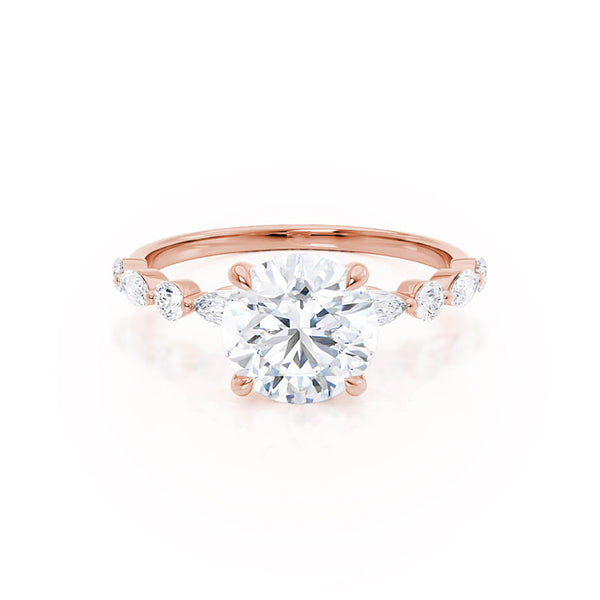
In today’s interconnected world, the evolution of fashion accessories is deeply linked to global artistic trends, and this relationship continues to shape how brands interpret style. Designers exploring movements from impressionism to contemporary minimalism often blend these inspirations into wearable forms that echo cultural depth. As creative expressions travel across borders, names such as lily arkwright appear in conversations about how craftsmanship and artistic influence merge within modern accessory design. This global interplay highlights how art movements continue to guide aesthetic direction in subtle yet meaningful ways.
Art movements have long provided fashion and accessory designers with a vocabulary of shapes, colors, and symbolic meaning. During the early twentieth century, the rise of modernism shifted attention toward streamlined, simplified forms that would eventually inspire clean geometric accessories. The emphasis on purity of structure encouraged designers to reconsider ornamentation, opting for practical beauty. This ideology still resonates in pieces that prioritize form and function over elaborate decoration, especially within contemporary urban fashion.
Conversely, movements such as surrealism introduced a playful challenge to conventional aesthetics. Surrealist artists sought to disrupt reality by merging unexpected elements, and this spirit found its way into accessories that feature unusual silhouettes, abstract motifs, or dreamlike imagery. Designers have adapted these concepts to generate bold pieces that spark conversation. Rather than simply serving as complements to an outfit, accessories influenced by surrealism become focal points where imagination takes precedence.
Cultural movements also play a vital role in shaping accessory aesthetics. The global rise of afro-futurism, for example, brought an energetic fusion of traditional African influences with futuristic design. Accessories drawing inspiration from this movement often incorporate rhythmic patterns, metallic accents, and symbolic shapes rooted in heritage. Such pieces embody a balance between cultural pride and forward-thinking creativity, making them popular among those who value identity-driven style.
The impact of Asian art movements is equally significant. Traditional Japanese aesthetics, including principles such as wabi-sabi and the refined minimalism seen in Zen-inspired art, have influenced accessory designers worldwide. These principles encourage simplicity, organic form, and an appreciation for natural irregularities. Accessories reflecting these values often feature subtle textures, muted tones, and handcrafted qualities that elevate understated elegance. Similarly, the vibrant visual heritage of Indian art, with its rich colors and intricate patterns, continues to inspire ornate pieces that celebrate detailed craftsmanship.
Technology has further expanded the reach of global art movements by allowing designers to access archives, virtual galleries, and international trends instantly. Digital reinterpretations of classic art styles enable experimentation that was once limited by geography or material constraints. The result is a diverse marketplace where accessories can simultaneously draw from ancient symbolism, modern digital art, and cultural heritage, creating hybrid aesthetics that reflect the modern global citizen.
Sustainability, now a central theme in many creative industries, is also influenced by eco-focused art movements. Designers inspired by environmental art experiment with reclaimed materials, organic shapes, and production techniques that favor longevity. Accessories crafted under this philosophy often embody natural beauty while raising awareness about environmental responsibility.
Ultimately, the influence of global art movements on accessory aesthetics reveals how interconnected creativity has become. Each trend, whether rooted in history or emerging from contemporary innovation, contributes to an evolving tapestry of style. Accessories today are more than decorative objects; they are reflections of shifting cultural narratives and artistic dialogues that span continents. As designers continue to draw upon worldwide artistic traditions, the future of accessory aesthetics promises to remain dynamic, expressive, and deeply informed by the global art landscape.