
Peruvian cuisine reflects geography more than trends. The Pacific coastline supplies seafood. The Andes provide potatoes and grains. The Amazon region contributes herbs and tropical produce. These influences appear together on one menu without feeling forced.
Many preparations rely on direct flavor rather than heavy seasoning. Citrus is common. Chili peppers are frequent but controlled. Slow cooking methods remain important in meat dishes. Several recipes trace back to Indigenous traditions, later shaped by Spanish influence and immigrant communities. This layered history defines the cuisine.
People who visit a Peruvian restaurant for the first time will experience an unfamiliar dining experience. The names of the dishes will not help customers understand the contents of their meals. Peruvian cuisine combines two regional cooking styles from the coast and the highlands.
Most dishes depend on fresh ingredients as their main component. The majority of must-try dishes at a Peruvian restaurant in New York maintain a balance among three elements, which include spice, acid, and texture.
Top 10 Most-Recommended Dishes to Try at a Peruvian Restaurant
Below are some of the most popular dishes to try at a Peruvian restaurant:
Ceviche (Peruvian)
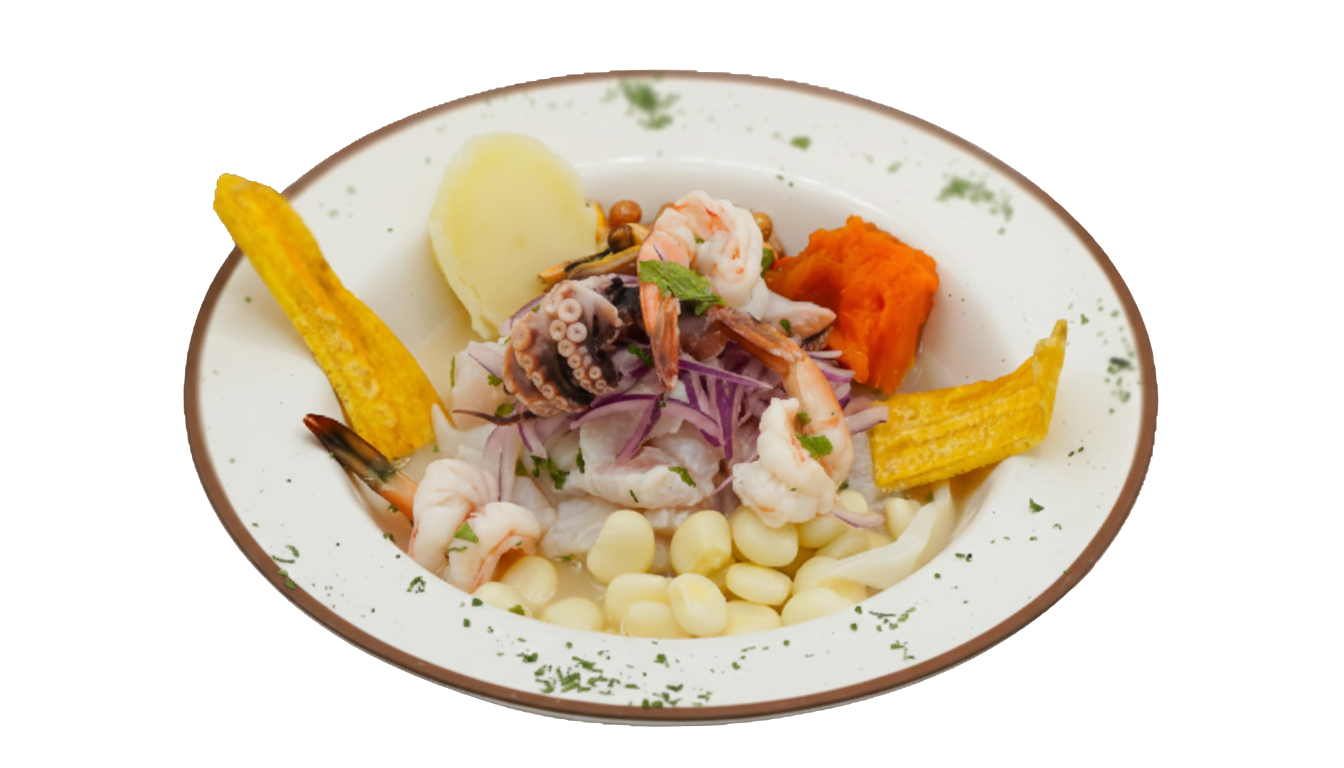
Ceviche has become a vital dish when someone looks for a Peruvian restaurant near me. The dish combines raw fish, which chefs cut into small pieces and then they coat with lime juice. The citrus changes the outer layer of the fish, making it firm while keeping the interior tender.
The restaurant serves thin slices of red onion, which customers can request at their meal times. The chili peppers create a spicy flavor that does not overpower the taste of the fish. Cilantro provides aroma, while it does not add any weight to the dish. The dish includes sweet potato and large-kernel corn as common side items.
Their mild sweetness creates a difference from the sharp citrus taste. Sea bass is the common choice for dishes at most peruvian chicken restaurant in new york, but other white fish options are available based on regional preferences.
Lomo Saltado:
Lomo Saltado demonstrates how Chinese cooking techniques have influenced the development of Peruvian food. The chef sears beef strips in a hot pan to prepare them for his dish. High heat prevents moisture loss while creating surface browning.
The beef is cooked together with tomatoes and onions. The main taste element of the dish comes from soy sauce. The mixture develops a savory character with slight acidity from the tomatoes.
The plate includes white rice and fries. The kitchen staff in many establishments proceed to add fries directly into the stir-fry before they serve it.
Ají de Gallina:
Ají de Gallina centers on shredded chicken coated in a thick sauce. The sauce is made from yellow chili paste blended with softened bread and milk. The bread makes the mixture thicker but maintains its smooth texture.
The flavor is steady rather than intense. The chili provides warmth without excessive heat. The dish is served over sliced potatoes, which absorb the sauce. Boiled egg slices and olives appear as garnish.
Papa a la Huancaína:
The dish Papa a la Huancaína contains cold boiled yellow potatoes, which restaurants serve as a main dish. The creamy sauce covers the sliced potatoes. The sauce combines ají amarillo with fresh cheese, milk and oil.
The product has a thick consistency that maintains lightness. Restaurants use lettuce as a base for serving potatoes to create a very visual distinction. Olives add a salty flavor to the dish. The dish is typically served as a starter.
The Essential Components of Papa a la Huancaína include Yellow Potato, which serves as the main component of the dish and Ají Amarillo, which provides a soft base and Fresh Cheese, which creates a creamy texture and Milk and Lettuce and Olives as menu items.
Anticuchos de Corazón:
Anticuchos are skewered meats that get cooked on an open flame grill. The traditional version uses beef heart. The meat gets sliced into equal pieces, which then go through a marination process using vinegar and garlic and spices.
Direct heat methods enable fast cooking processes. The exterior develops char while the interior remains firm. In Peru, street vendors frequently sell anticuchos during evening hours. The dish usually comes with boiled potatoes and corn.
Causa Rellena:
Causa Rellena is built through the process of constructing multiple layers. The process starts with mashed yellow potatoes, which are combined with lime juice and chili paste. The mixture is pressed into shape.
The filling may include tuna, shredded chicken, or avocado. Each layer is compact and defined. The final product consists of smooth potatoes combined with a creamy interior.
Pollo a la Brasa:
Pollo a la Brasa is a dish that contains rotisserie chicken, which has been marinated using garlic and spices. The chicken turns slowly over the heat until fully cooked. The skin becomes crisp while the interior stays moist. During the marination process the seasoning moves through the meat to enter deep inside. A Peruvian restaurant frequently serves the dish with fries and green chili sauce.
Rocoto Relleno:
Rocoto Relleno features a large red pepper known for its heat. The hollowed pepper receives ground meat and vegetable stuffing. The dish is topped with cheese, which chefs apply during baking. The pepper becomes softer through heat, while the cheese undergoes a melting process.
The spice level remains noticeable. Rocoto pepper forms the outer shell. The center of the dish contains ground meat. Vegetables add texture. Cheese melts during baking. Oven heat integrates flavors.
Chupe de Camarones:
Chupe de Camarones is a shrimp soup that has a thick consistency. The broth contains potatoes, corn, milk, and herbs. The soup requires shrimp to be added at its final stage because this method prevents shrimp from becoming overcooked. The soup develops density through the process of ingredient combination. The dish has its main popularity in areas that border the sea.
Picarones:
Picarones are fried dough rings made with squash and flour. The squash adds subtle sweetness and color. The rings receive their first coating after they have been fried. The exterior becomes crisp while the interior remains soft. The dish is presented as a warm dessert.
Conclusion
Peruvian restaurants draw culinary elements from different regions and traditional cooking methods. The culinary identity of the country combines coastal seafood with mountain produce and slow-cooked meats.
The must-try dishes at a Peruvian restaurant show the wide range of food that Peruvian restaurants usually serve. The cooking traditions of each region use local ingredients to create their respective dishes.
