

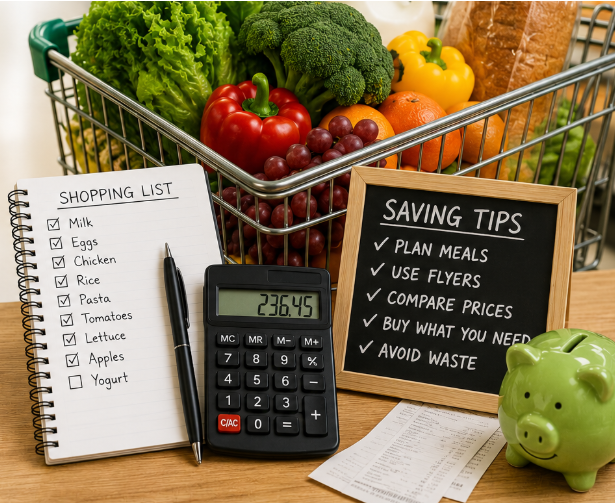
Reducing your grocery bill isn’t about giving up your favourite foods or shopping at the cheapest store every week. The real secret lies in adopting smarter shopping strategies that help you make better purchasing decisions. Small changes in how you shop can lead to significant savings over time without affecting the quality of the food you bring home.
Many Canadian shoppers use the No Frills Flyer to stay informed about weekly promotions and special offers. Reviewing it alongside the Food Basics Flyer gives you a broader understanding of current grocery prices and helps you make choices based on value instead of habit.
Stop Shopping on Autopilot
Many people buy the same products from the same store every week without checking whether better deals are available elsewhere. While routine makes shopping easier, it can also lead to unnecessary spending.
Instead of purchasing the same brands automatically, spend a few minutes reviewing current promotions before your shopping trip. Comparing prices and exploring alternative options can reveal savings that might otherwise go unnoticed.
Changing your routine slightly each week can make a noticeable difference in your monthly grocery expenses.
Buy Based on Value, Not Marketing
Supermarkets are designed to attract attention with colourful displays and promotional signs. However, not every featured product is the best bargain.
When evaluating a deal, consider factors such as:
- The product’s regular price
- The quantity you’re receiving
- The unit price
- Whether it’s something your household regularly uses
The No Frills Flyer allows shoppers to review offers at home, making it easier to evaluate promotions without the pressure of in-store marketing.
Rethink Brand Loyalty
Many shoppers stick with the same brands for years, even when comparable alternatives are available at lower prices.
Store-brand products have improved significantly in quality and often provide excellent value. Comparing ingredients, package sizes, and nutritional information can help you decide whether paying more for a national brand is worthwhile.
Trying lower-cost alternatives on selected items can reduce grocery spending without affecting your overall shopping experience.
Shop at the Right Time
Timing can influence both product availability and promotional opportunities. Shopping shortly after new weekly offers begin gives you a better chance of finding advertised products in stock.
It also allows you to purchase popular sale items before they sell out, especially fresh produce, meat, and bakery products.
Checking the Food Basics Flyer before planning your shopping trip helps you identify new promotions as they become available.
Think Beyond Individual Prices
Focusing only on the price of individual items can sometimes lead shoppers to overlook their total spending.
Instead, evaluate your shopping cart as a whole. Ask yourself whether every product supports your weekly needs and whether there’s an opportunity to replace a higher-priced item with a more affordable alternative.
This broader perspective often reveals opportunities for savings that aren’t obvious when looking at products one by one.
Build a Flexible Shopping Habit
Smart shoppers don’t expect every product to be available at the same price every week. Instead, they remain flexible and adjust their purchases according to current promotions.
For example, if one type of fruit is heavily discounted, choose that instead of paying full price for another variety. The same approach works for vegetables, proteins, dairy products, and pantry staples.
Flexibility allows you to benefit from changing promotions without feeling restricted.
Make Small Savings Add Up
Large grocery savings rarely happen overnight. They’re usually the result of small decisions made consistently over time.
Simple habits include:
- Comparing current promotions before shopping
- Trying lower-cost alternatives
- Avoiding unnecessary impulse purchases
- Choosing products that offer better overall value
- Purchasing essentials when prices are favourable
While each decision may save only a small amount, the combined effect over months can be substantial.
Conclusion
Lowering your grocery bill doesn’t require dramatic lifestyle changes. Shopping more thoughtfully, remaining flexible, and evaluating products based on value rather than habit can produce lasting savings.
The No Frills Flyer is a useful resource for discovering weekly grocery promotions, while the Food Basics Flyer helps shoppers compare offers across another major retailer. Using these resources alongside smarter shopping strategies can help Canadian households make informed purchasing decisions and keep food costs under better control.