

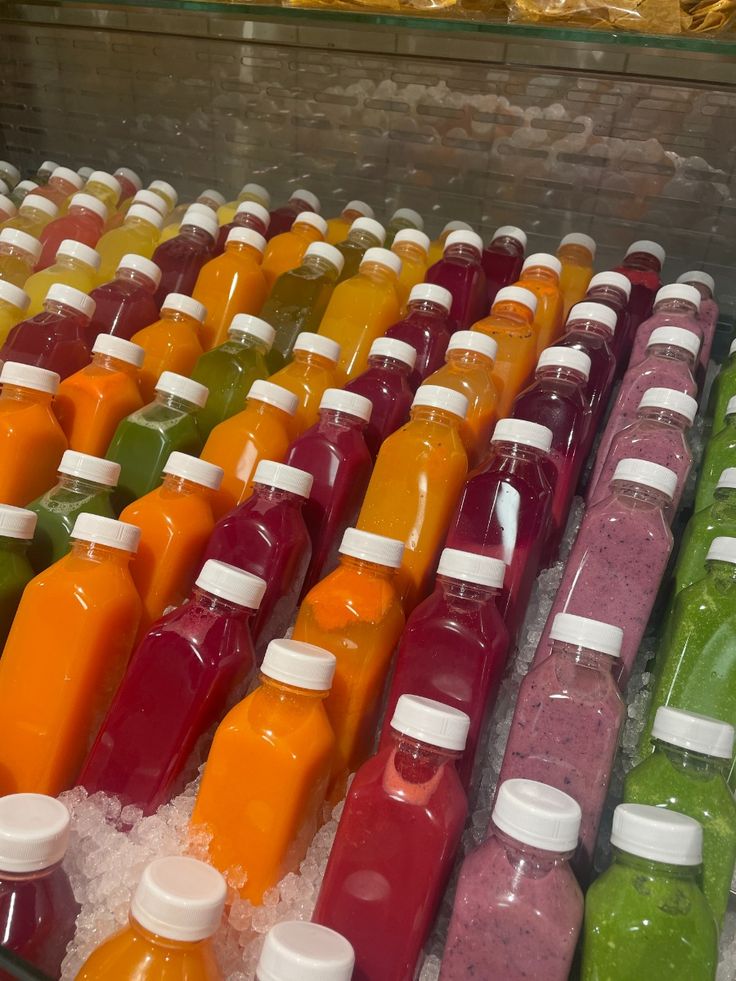
Big changes are happening in grocery stores because shoppers do not want weird chemicals in their snacks anymore. Adding a natural food colorant from plants or minerals helps brands keep things looking tasty without scaring off healthy shoppers who read labels. It takes some serious work to change these recipes up behind the scenes, though. Companies are completely reworking how they think about visual presentation to fit into this new, clean lifestyle movement.
Factory Hurdling and Pigment Shifts
Using plant juice instead of fake chemicals means dealing with weird chemical reactions inside the mixing vats. A natural food coloring behaves totally differently depending on what else you throw into the mixture during preparation. If your food matrix has too much acidity, that nice red might turn into a strange purple overnight. Formulators spend weeks tweaking the balance just to keep the visual look completely stable before packaging happens.
Beating the High Heat
Industrial baking ovens will absolutely destroy delicate plant extracts if you do not protect them carefully. The high temperatures break down the molecules, leaving you with a dull brown mess instead of something bright. Finding a heat-resistant natural food colorant like beta-carotene or paprika oleoresin saves the day for bakery brands. You have to mix it in at the exact right second to keep the shade from dying out.
Fighting Light on Shelves
Supermarket fluorescent lights will bleach out plant-based hues over a few months of sitting around. Clear plastic bottles make this fading happen way faster, which forces companies to look at opaque packaging choices. You can add rosemary extract to help protect the natural food coloring from oxidation without ruining the clean label. It requires constant testing under heavy artificial light setups to see how things hold up long-term.
Sourcing Crops and Buying Issues
You cannot just buy synthetic powders from a lab when you go the organic route for coloring. Getting enough raw purple carrots or spirulina algae depends entirely on global farming weather and seasonal crop yields. A sudden drought halfway across the world can mess up your entire supply chain for a natural food colorant ingredient. Smart factories keep backup suppliers ready so their production lines never grind to a sudden halt.
Reading the Legal Rules
Government agencies around the world do not look at these plant ingredients in the exact same way. An approved natural food coloring in Europe might face totally different labeling laws when you ship it to America. Keeping track of all these shifting global compliance documents is a massive headache for export teams. One wrong word on your ingredient panel can get an entire ocean shipping container rejected at the border.
Conclusion
Shifting away from synthetic dyes requires a solid grasp of agricultural supply chains and food chemistry constraints. Visiting foodrgb.com gives you access to stable plant pigments and expert formulation help to make your transition smooth. Using the right natural food coloring options keeps your products looking incredibly delicious while satisfying strict clean-label demands from modern grocery shoppers. It pays off by protecting your brand reputation as consumer habits move permanently toward simpler, earth-grown ingredients. Please reach out to our application specialists to find the perfect shade for your current commercial food projects.