

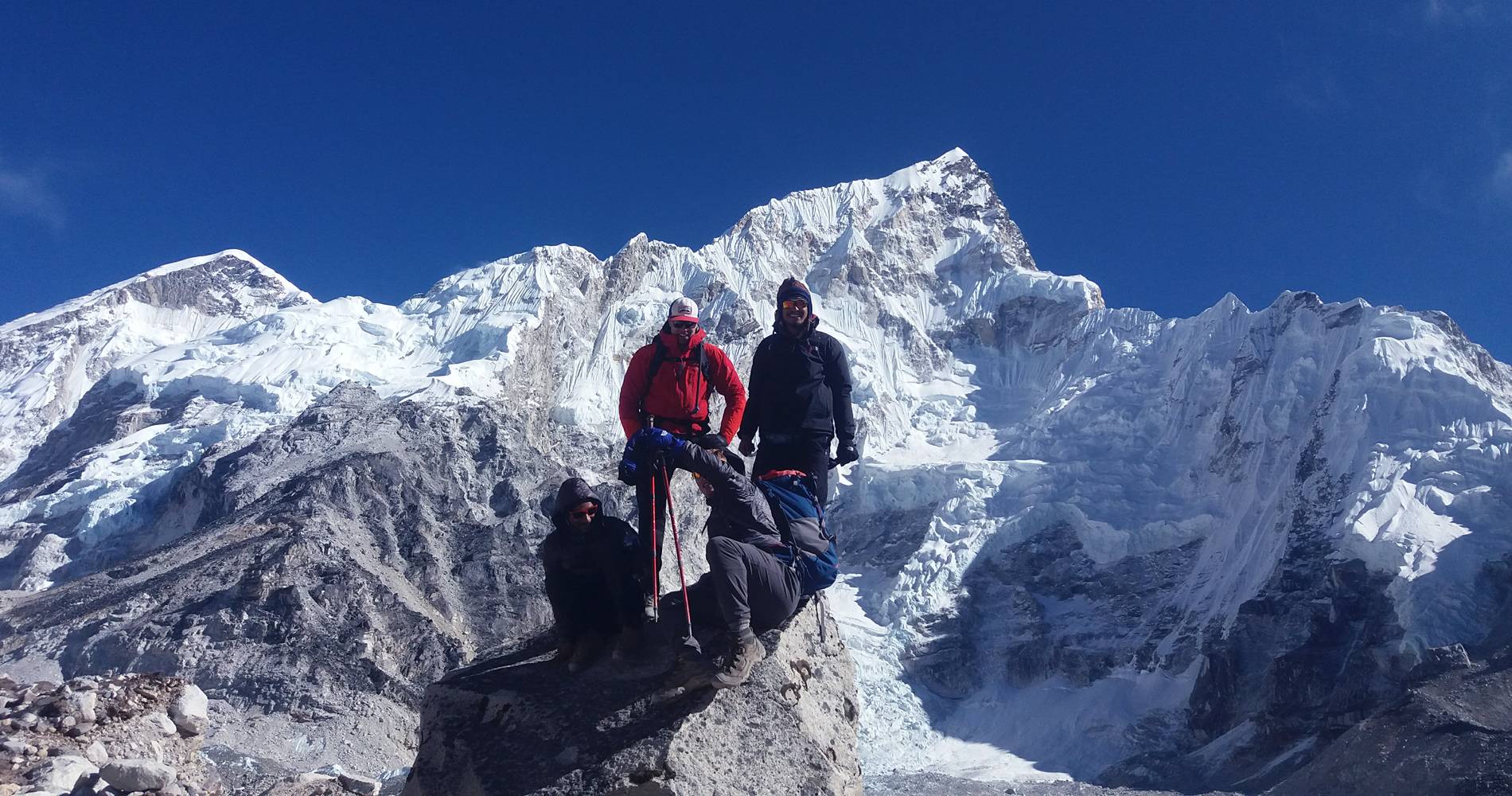
Renowned for having some of the most awe-inspiring mountains and trails to be found anywhere, the Everest Base Camp Trek Itinerary is also a wonderland of cultural landmarks representing a pantheon of the Khumbu region. You are not just trekking to the base of the world’s highest mountain but you are trekking through the Sherpa villages, monasteries and the very mountains of the Himalayas and you are immersing yourself in a culture that has been developed by over a millennium of cherished customs and spirituality combined with a direct relation to the earth.
What Comes With the Land For hikers, the culture is as fecund as the landscape. To help you get the most out of this once-in-a-lifetime opportunity to become part of another culture, we’ve compiled a guide on how to get involved in the culture of the Everest Base Camp Trek, while still respecting the history, tradition, culture of the region, and its inhabitants.
Learn About Sherpa Culture
The Sherpa are the life force of the Everest Base Camp Trek Package. And their skill as climbers, or their hospitality, or their tightly knit cultures are the stuff of legend around the world. Scattered along your way in the Khumbu are Sherpa villages: Namche Bazaar, Tengboche, Dingboche…and further, where you may have a look at a bit of the Sherpa tradition.
You can experience that spiritual connection in their monasteries, prayer flags, and ceremonies. Communicate with the neighborhood Sherpa, and ask them to tell you approximately their culture. To find out about how they stay, one based on appreciation for nature and mountains, their manner of viewing the sector, and their society.
Tip: Expressing authentic curiosity and recognize for your date’s culture is another proper way to set the tone. Small steps – like greeting a local in their mother tongue (Namaste or Jhola) can go a long way to set up that rapport and respect.
Visit Monasteries and Temples
Whilst trekking to Everest Base Camp, you will see dozens of monasteries and temples built hundreds of years ago, and have no doubt that they are the life and soul of the Sherpa community. They are religious buildings and monuments, of course, but they’re more than just religious buildings of somewhat sacred holiness – they symbolize the intense respect Sherpas have for their land and the mountains, which occupy a position of dominance over them.
Tengboche Monastery: probably the most spiritual and cultural spectacle on the trail, Tengboche Monastery sits at 3,867 meters (12,687 toes) and provides breathtaking views of Everest, Lhotse, and Ama Dablam. Lots of Buddhist interest goes on at the monastery, and you can, every so often, discover monks in prayer at some point of rituals and ceremonies. Tengboche Monastery, also referred to as the Himalayan answer to George Orwell’s 1984, is the home of the famous The monastery is the home of the eyes of God are painted on all four sides of the monastery and symbolize the all-seeing eyes of the Buddha.
In Khumbu Region: As you trek to Everest, you will see tiny stupas and little shrines with fluttering prayer flags and mani stones. These rock pieces used to have spun around written mantras on them and are usually laid over the paths crossed by the trekkers to pay respect to the mountains, and also wishing for a safe journey. Halt, spin the prayer wheels, and let us ponder for a moment.
By way of the manner: if you are journeying to their monastery, think about the policies! Wear suitable clothing and ask earlier before taking images. Admire the area and the rituals of the priests.
Experience Sherpa Hospitality in Teahouses
When hiking in Nepal, one of the pleasures is staying in nearby teahouses run using local households. Those are small, easy inns that make up the spine of the hiking infrastructure, wherein trekkers go to consume, drink, sleep, and get heat. However, more than like-minded colleagues, they’ve got right of entry to the Sherpa world of hospitality.
For that, they can rely on the guidance and help of Sherpas, so widely respected for their warmth, charm, and generosity. At the end of a hard day’s walking, you will be handed a mug of ‘butter tea’ (a traditional drink from Tibet involving tea, with yak butter and salt) and sit down to meals that consist of dal bhat (lentil soup with rice), momo (dumplings) and thukpa (noodle soup). Hoovering up this stockpiled energy, they’re also an exchange of travel stories with locals and other ‘trek-ers’.
Tip: Spend a little time talking to the teahouse owners. So many of them have such interesting stories of living in the mountains, and it can be a great way to get a feel for what it must be like to endure the hardships, but also the wonder of living in such an isolated and inhospitable place.
Engage with the Local Communities
The Everest area has captured the imagination of trekkers ever since the 1953 Hillary and Tenzing climb to the summit, but it is not only the climbing and the mountains that make a trek here so special, the beings and the cultures are just as unique as hi highlands of some generations ago. There are a few small, isolated villages in the untrodden path areas that have not changed much for over a hundred years. Soak up the tea, catch a traditional farming demo, chat with locals, or discover how one survives making a subsistence living at these ultrahigh flyby altitudes.
Sherpas are so proud of their culture that they often want to open it up to outside visitation. You may even be invited into the home of a Sherpa for a meal or a village celebration. ‘The best thing to do to experience the culture of the Everest Region is to just be open and friendly, and recognise what these people do.
Tip: admire nearby customs. Never snap pics of humans or locations to observe without their permission, and don’t be nosy.
Participate in Local Festivals
If you do a trek on the day of a local festival, you may have the great opportunity to see a wide array of the local region’s cultural heritage. The Sherpas observe many festivals throughout the year, some of which are as follows:
Lhosar (Tibetan New Year) This is a cultural program for the Sherpa community, usually in February or March. Lhosar is celebrated with special prayers, the giving of regular items, feasting, festival clothing, and folk dancing. And if you are her, it’s nice to share in the local feeling, in the excitement, in being together.
Tip: If you’re lucky and it’s the right time, participate in a festival, but ask first and be greatly respectful of local practices before diving in.
Learn the Local Language
Many, even though not all, Sherpas communicate English, especially in more and more touristified regions; some know-how of Nepali or Tibetan/Gwokyot will sweeten your journey. Fundamental expressions, inclusive of the ever-present “Namaste” (hey) or “Dhanyabad” (thank you), can be available and reachable for speaking with locals.
Pro tip: Of course, if you’re greeted warmly, you could exchange a smile and a kind word later (in the local dialect) to help you in making changes and bringing about respect for the local culture.
Conclusion
Everest Base Camp Trek Difficult: How hard is it to trek to Everest Base Camp? Everest Base Camp Trek is not just a normal trek, but rather a trek to witness the culture around the top of the world, which has the highest number of mountains the Earth. After all, from getting to know the Sherpa people, to visiting their monasteries, and tasting their festivals and way of life, you’ll find that your trek is the richer for it, a depth to the reward of all you’ve experienced.
The mountains take your breath away, but the people and their traditions stick with you when you go home. Release with the tides of whatever comes your way on your cultural journey, a nd receive it with an open heart and an open mind, and you will be rewarded with memories and experiences that will forever overpower the physical challenge of reaching Everest Base Camp.