

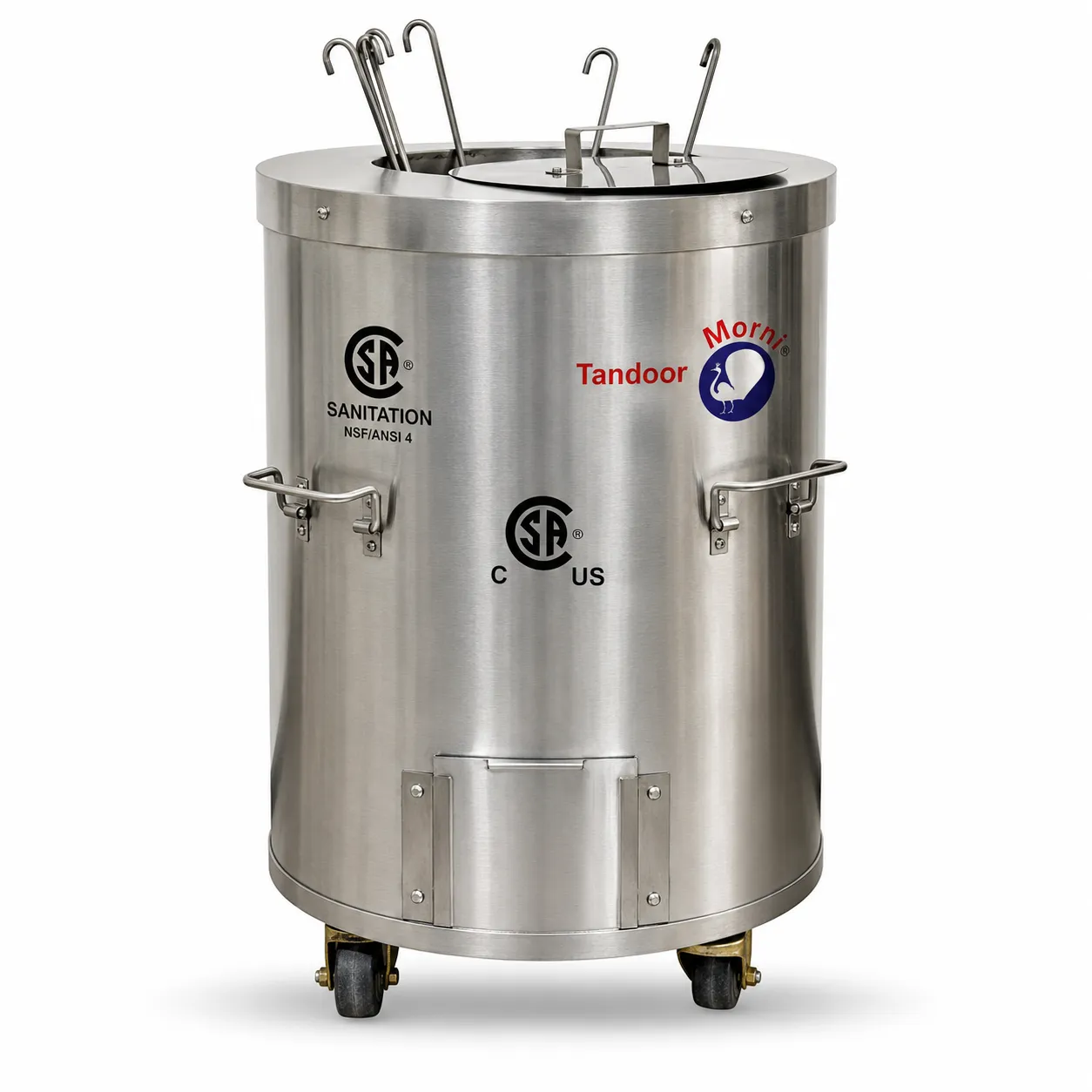
Tandoor Ovens
Every clay tandoor has a quiet hero: the clay that holds heat, shapes flavor, and takes the abuse of daily firing. Cracks, moisture, and careless handling, such as banging skewers against the walls, are the usual enemies, and most of them can be managed with simple habits. This guide covers daily, weekly, and seasonal care in plain terms, and explains where materials such as tandoori repair clay fit into maintenance. The goal is a clay tandoor that stays dependable for as long as possible.
What Normal Wear Looks Like
Clay changes with use. Fine surface lines, color shifts, and slight roughness are common after repeated heating and cooling, and they are not always a cause for alarm. Wear patterns often follow how and where the tandoor oven is used, so look near the opening first, where skewers and tools rub most often.
Learn to tell these from serious damage, such as wide cracks, loose chunks, or visible gaps. Photograph the clay tandoor regularly so you can compare its condition over time. Keep your notes and photos in one folder so you can show them to a specialist later.
Owners of a tandoor oven who know what normal looks like can respond quickly when something unusual appears. Early attention is almost always cheaper than late repair.
Daily Habits After Every Cook
Let the unit cool naturally, then clear ash and food residue with soft tools. Avoid forcing or scraping hard, which can mark the clay. Dry cloths, soft brushes, and patience do more good than aggressive cleaning.
Wipe the exterior, check handles and fittings, and cover the tandoor oven if it sits outdoors. A short checklist taped nearby makes the routine easy to follow. Never leave wet tools or damp cloths resting inside or against the chamber. Wipe skewers dry and store them away from damp ground.
Five minutes at the end of each day protects your tandoor oven better than a long cleaning once a month. Small habits are what keep a chamber healthy.
Moisture, Humidity, and Storage
Clay absorbs moisture, and trapped water turns to steam when heated. Keep the chamber dry, and avoid pouring water into it or washing it out. Moisture is a common reason clay weakens over time.
In humid or rainy climates, use a breathable cover and keep the clay tandoor off damp ground. Follow the maker’s advice on storage and on restarting after long breaks. If the unit has been stored for a while, check for dampness before lighting it.
Protecting your tandoori clay from moisture is the cheapest repair you will ever make. Dry storage costs almost nothing, while a waterlogged chamber can take weeks to recover.
Safe Heating and Cooling Cycles
Sudden temperature swings stress clay. Heat gradually, especially after storage, and follow the maker’s initial heating steps instead of rushing to full heat. A slow, gentle start also helps the whole structure warm evenly.
Let the clay tandoor cool slowly after use. Never splash cold water onto hot surfaces, and keep drafts away from a unit that is still cooling. Patience during heating is cheaper than any repair that follows.
A steady routine for your tandoor oven reduces cracks and keeps heat distribution reliable. Write the heating steps down so everyone uses the same method. Teach every cook the routine, including how to lower skewers gently, because one rushed start can undo weeks of careful habits.
Spotting Small Cracks Early
Hairline cracks are common, but they deserve attention. Look inside and outside with a flashlight after the unit has cooled, and run a gloved hand lightly over the surface. Use good light, because shadows can hide fine marks that are easy to miss.
Mark the ends of a crack with a pencil and check again after a few sessions. If it grows, act promptly instead of hoping it will settle. Photographs taken from the same angle each month make changes much easier to see. Check skewers for bends at the same time.
Many owners keep tandoori clay on hand for minor patching, but always follow product and maker instructions about when and how to use it. Judgment matters as much as material.
Working With Repair Materials Sensibly
Repairs go best when materials suit the unit, and a clay tandoor is no exception. Read the instructions for any patching product and prepare the surface exactly as described. If the instructions are unclear, ask the seller or maker before you start.
Apply thin layers, allow proper drying, and heat gently afterward. Rushing a patch can make the damage worse and shorten the life of the repair.
Using tandoori repair clay correctly is a matter of patience more than strength, and the same care applies to every repair. Keep notes of what you did and when. Keep any leftover material sealed and dry, as the instructions advise.
Looking After Fittings and the Outer Shell
The clay chamber is only part of the tandoor oven. Outer shells, lids, handles, and bases can loosen, rust, or crack over time, especially outdoors.
Tighten fittings, inspect joints and welds where present, and wipe away moisture promptly. Replace damaged parts rather than improvising a fix that could fail during service. Check any insulation or protective layers for gaps, and report anything unusual to the maker. Replace bent skewers before they scrape the clay.
Keeping a tandoor oven sound from the outside in prevents small defects from reaching the clay. A tidy exterior also makes it easier to notice change.
Seasonal Checks Before Busy Periods
Before wedding season, festival season, or the holiday rush, inspect the full clay tandoor. Check for cracks, loose parts, and signs of moisture. A fresh look after a quiet period often reveals changes that happened slowly.
Run a gentle test firing of the tandoor oven so any problem appears before it matters. Keep spare skewers, gloves, and cleaning tools ready, and confirm that your fuel supply is in order. Order any spare parts early, before the season makes suppliers busy.
If minor repairs are needed, review the stock of your tandoori repair clay and the instructions in advance so you are not searching for them in the middle of a crisis.
Knowing When to Call a Specialist
Some problems are beyond home repair: large structural cracks, a leaning chamber, or damage near gas or fuel components. Safety should always outweigh the urge to save money. Warning signs include sounds that seem different or a chamber that no longer heats evenly.
A qualified specialist can assess whether repair is practical for your clay tandoor or whether replacement is wiser. Ask for written advice and keep it with your maintenance notes. Keep the contact details of a trusted professional somewhere easy to find.
Asking for help early can extend the life of your tandoor oven and avoid accidents. There is no shame in a phone call that prevents a dangerous mistake.
Conclusion
A tandoor oven that lasts is usually one that was looked after quietly, day after day. Small checks, dry storage, gentle heating, and honest records add up to years of reliable cooking. Do not wait for dramatic damage before paying attention. When you need tools, spare parts, or a fresh start, Tandoor Morni is a place to browse tandoor ovens and related products. Care costs little compared with replacement, and the cook who respects the clay tandoor is repaid every time the oven comes to heat.